
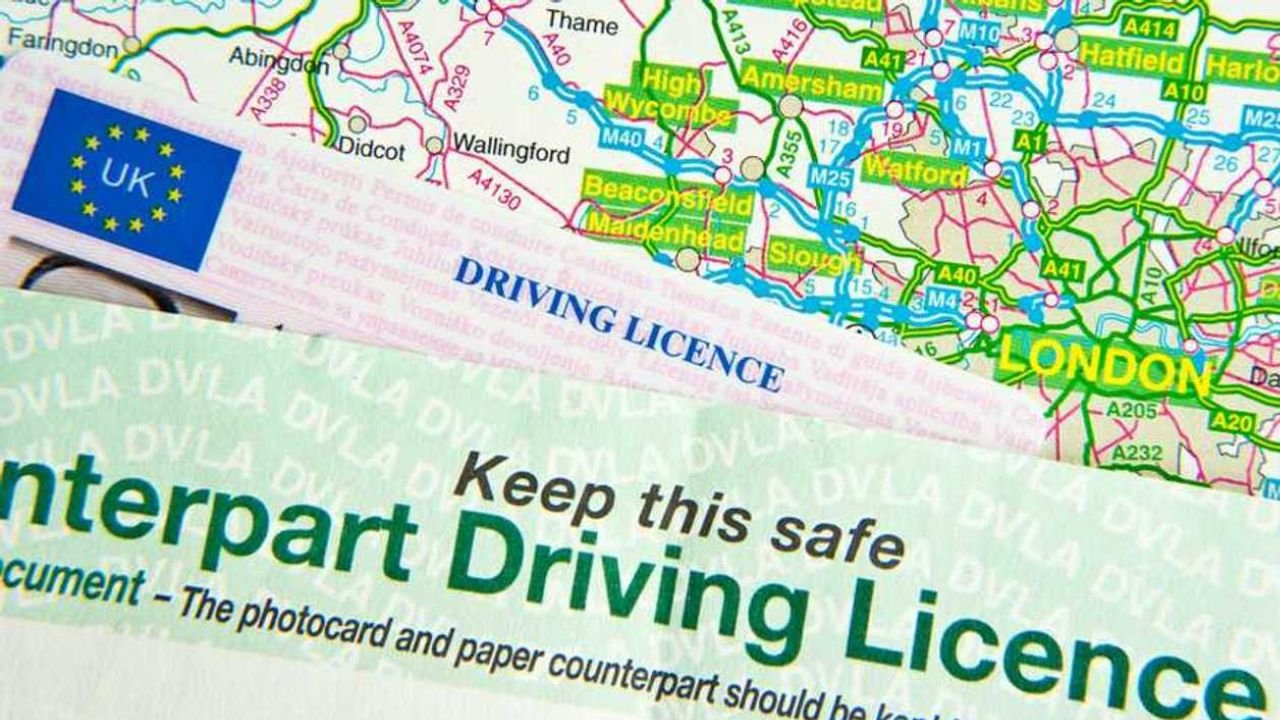
As we enter March 2026, the updated framework for driving licence renewals has officially taken effect across the United Kingdom. These changes specifically address the requirements for motorists aged 70 and older, a demographic that continues to grow as more individuals maintain active lifestyles later in life. While the core right to operate a vehicle remains tied to individual fitness rather than a specific age limit, the new procedures introduced this month focus on administrative precision and health transparency. Understanding these updated protocols is essential for maintaining independence while ensuring full compliance with Driver and Vehicle Licensing Agency standards.
Enhanced medical self declaration protocols
The most significant shift in the March 2026 update involves the medical self declaration process. When a motorist reaches the age of 70, and every three years thereafter, they must provide a detailed account of their physical and cognitive health. The new digital and paper forms now feature more granular prompts regarding neurological health, cardiovascular stability, and diabetes management. These updates are designed to help drivers identify potential risks earlier, ensuring that those with manageable conditions can continue to drive with appropriate medical oversight rather than facing unnecessary restrictions.
Digital identity and vision verification standards
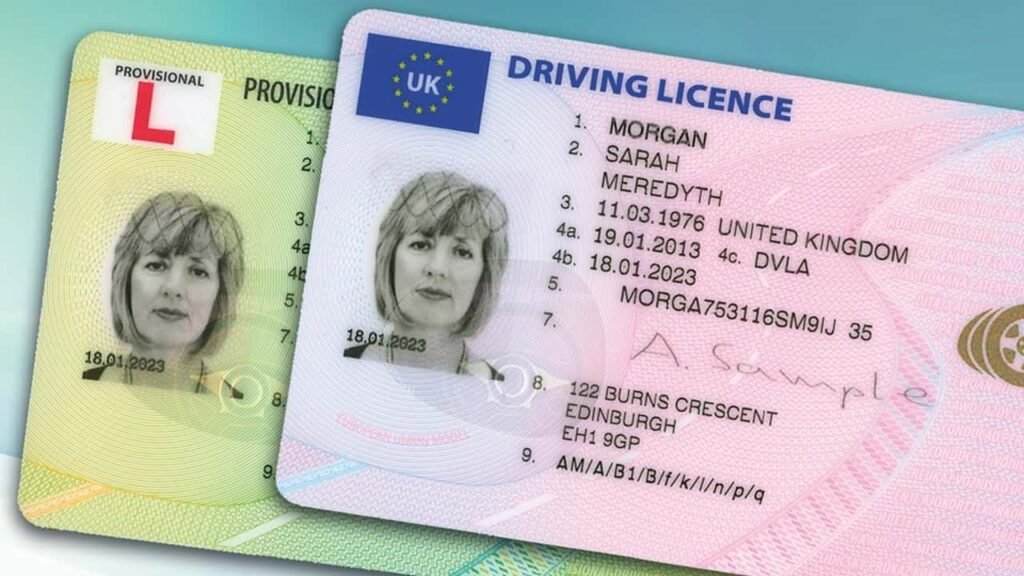
In line with broader government modernization, the 2026 renewal system utilizes a strengthened digital identity verification process. This enhancement reduces the risk of fraud and accelerates the processing time for online applications. Furthermore, the standard for vision remains a critical benchmark; drivers must be able to read a vehicle registration plate from a distance of 20 metres. The updated renewal prompts now explicitly require drivers to confirm they have had an eyesight test within the last two years, reinforcing the link between sensory health and road safety.
Comparative renewal requirements by age bracket
The following table outlines the administrative differences for drivers as they transition into the senior licensing framework in 2026.
| Feature | Drivers Under 70 | Drivers Aged 70 and Over |
| Renewal Frequency | Every 10 Years | Every 3 Years |
| Renewal Cost | $14 (approximate) | Free of charge |
| Medical Declaration | Only if condition changes | Mandatory at every renewal |
| Identity Verification | Standard Photo Update | Enhanced Digital Verification |
Reporting pathways and healthcare professional roles
The March 2026 guidelines have clarified the reporting responsibilities for healthcare professionals. While the onus of reporting a medical condition remains primarily with the driver, doctors now have a more streamlined communication pathway to notify authorities if a patient continues to drive against explicit medical advice. This is not intended as a surveillance measure but as a safety net for conditions like advanced dementia or severe visual impairment where a driver may not fully grasp the risks they pose to themselves and the public.
Technical compliance for older motorists
In the current landscape of March 2026, the real world utility of these rules lies in proactive management. Motorists should not wait for their 70th birthday to review the new medical prompts. Instead, engaging with a voluntary driving assessment through a recognized mobility center can provide a technical appraisal of one’s skills behind the wheel. These assessments offer a non-biased environment to adjust to modern vehicle technologies and ensure that reaction times remain within safe parameters. If a notice of renewal arrives, completing the process via the enhanced digital portal is now the fastest route to receiving a new three year permit, often arriving within five working days.
Key Takeaways
- Drivers over 70 must continue to renew their licence every three years to remain legal.
- There is no mandatory driving retest or theory exam required purely due to age.
- Renewal remains free of charge for all motorists aged 70 and older.
- Failure to declare a relevant medical condition can result in a $1,000 fine and voided insurance.