
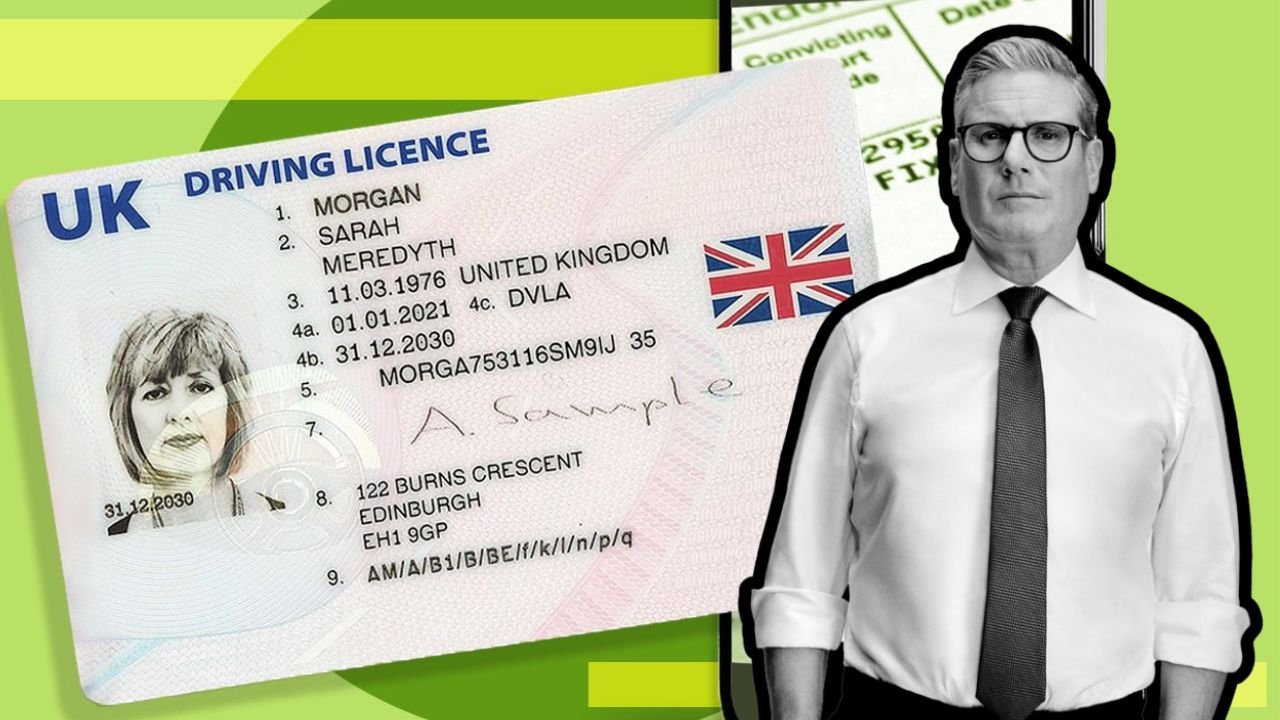
From March 2026, updated driving licence guidance affecting older motorists will take effect across the United Kingdom. Despite dramatic headlines, the changes do not introduce an automatic driving ban for people over 65. Instead, the update focuses on clearer renewal procedures, stronger medical self-reporting guidance and improvements to administrative systems.
For many older adults, driving is closely tied to independence. It allows them to shop, attend medical appointments, visit family and remain socially connected. Any adjustment to licence rules naturally raises concerns, but the upcoming update is primarily about safety clarity rather than restricting mobility.
Why the Rules Are Being Updated
Driving licences in the UK are managed by the Driver and Vehicle Licensing Agency. As life expectancy increases, more people are driving well into later life. With demographic shifts and ongoing road safety reviews, the government periodically reassesses licensing procedures.
The March 2026 update mainly strengthens guidance on licence renewal, medical declarations and digital processes. It does not remove the right to drive based solely on age.
Does This Apply to Everyone Over 65?
No. In the UK, licence renewal requirements are tied to age 70, not 65. However, the updated framework provides clearer information for drivers aged 65 and above so they can better prepare for future renewal responsibilities.
Drivers in this age group are encouraged to monitor their licence expiry dates carefully and understand their obligation to report medical conditions that may affect safe driving.
Current Renewal Rules Explained
Under existing law, drivers must renew their licence at age 70. After turning 70, renewal is required every three years. Importantly, the renewal process is free of charge.
At each renewal, drivers must confirm that they meet the required medical standards to drive safely. The 2026 update reinforces these existing rules rather than replacing them.
What Changes in March 2026
The new guidance is expected to introduce clearer reminders regarding medical self-reporting and provide improved access to online renewal systems. Documentation requirements will be more clearly explained, and eyesight standards will receive additional emphasis.
The goal is to ensure that drivers remain medically fit and properly informed, not to impose automatic testing at 65.
Medical Self-Declaration Requirements
When renewing at 70 and beyond, drivers must declare any medical conditions that could affect their ability to drive safely. This includes conditions such as insulin-treated diabetes, certain heart conditions, epilepsy, serious vision impairment or neurological disorders.
Failing to report a relevant medical condition can lead to fines and may invalidate car insurance. The updated rules highlight the importance of honest and timely disclosure.
Eyesight Standards Remain Crucial
All drivers, regardless of age, must be able to read a vehicle number plate from 20 metres. Although this requirement is not new, older motorists are statistically more likely to experience vision changes.
The updated guidance encourages regular eye tests and proper use of corrective lenses where required. Clear vision remains one of the most important safety factors on the road.
Improvements to Online Renewal Systems
The Driver and Vehicle Licensing Agency continues expanding its digital services. From March 2026, online licence renewals are expected to be simpler and more accessible, with improved identity verification and faster processing.
Drivers who prefer traditional methods will still be able to renew by post. The update aims to increase convenience, not limit options.
No Mandatory Retesting at 65
Unlike some countries, the UK does not require automatic retesting or medical exams solely based on turning 65. Age alone does not determine driving ability.
However, if a declared medical condition raises concerns, the Driver and Vehicle Licensing Agency may request medical reports or further assessments. Each situation is reviewed individually.
What Happens at Age 70
Although the update references drivers over 65, age 70 remains the key milestone. At that point, drivers must renew their licence and confirm medical fitness. Afterward, renewal is required every three years.
The March 2026 guidance aims to make this transition clearer and more straightforward for older motorists.
Impact on Car Insurance
Driving licence rules are separate from insurance policies. However, failing to declare relevant medical conditions can invalidate insurance coverage. Insurers may also consider age and health factors when calculating premiums.
Maintaining a valid licence ensures continued legal driving status.
Balancing Safety and Independence
For many older adults, driving represents freedom and social connection. Policymakers aim to balance road safety with preserving independence for ageing citizens.
The 2026 update reflects this approach by reinforcing health transparency rather than imposing blanket restrictions.
Final Thoughts
While headlines may suggest sweeping new rules for drivers over 65 starting in March 2026, the reality is far less dramatic. There is no automatic ban, no compulsory retest at 65 and no new renewal fees.
The key responsibilities remain simple: renew at age 70, report relevant medical conditions and ensure eyesight meets legal standards.
For healthy drivers, daily life will continue as normal. Staying informed, keeping medical checks up to date and monitoring renewal timelines will allow older motorists to maintain independence while driving safely and legally.