

The recent announcements regarding a £153 monthly adjustment to certain UK State Pension payments have caused significant conversation among the retirement community this March. As households continue to manage the cost of living, the prospect of a triple digit change to fixed income requires careful examination. It is essential to distinguish between a general policy cut and specific administrative actions that affect a targeted number of the 12 million pensioners across Britain.
The reported £153 figure is not a reduction in the base rate of the New or Basic State Pension. In fact, the Triple Lock protection ensures that standard pension rates are scheduled to increase in the coming weeks. The changes taking effect on 6th March 2026 are instead linked to the activation of new digital systems designed to manage debt recovery, tax updates, and benefit recalculations with greater precision.
The Reality of the £153 Debt Recovery Protocol
The core of the £153 figure lies in the updated Department for Work and Pensions debt recovery guidelines. This amount represents the maximum monthly cap that the department can legally deduct from a pension payment to reclaim previous overpayments. These overpayments often occur due to delayed reporting of changes in circumstances, such as moving house, changes in marital status, or shifts in disability benefit eligibility.
For the vast majority of retirees, the monthly payment will not decrease. Only those who have received a personal notification from the government regarding a change in award or an outstanding balance will see these specific deductions. The implementation of this cap ensures that while the state recovers funds, the claimant retains the bulk of their weekly entitlement.
Factors Influencing Net Pension Income in 2026
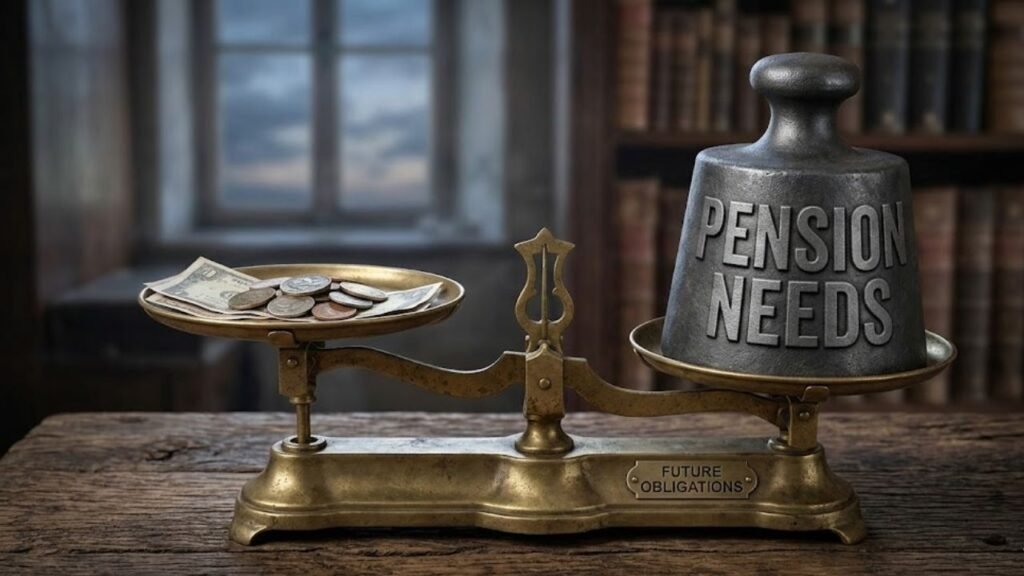
Several external factors contribute to why some pensioners might notice a lower take home amount even while gross pension rates are stable. The primary driver is the ongoing freeze on personal tax thresholds. As the state pension increases to meet the rising cost of living, more individuals find their total income approaching the £12,570 tax free limit.
| Adjustment Type | Potential Monthly Impact | Recipient Group Affected |
| Debt Recovery Cap | Up to £153 | Those with overpayment history |
| Frozen Tax Thresholds | £10 to £35 | Retirees with small private pensions |
| Pension Credit Taper | £20 to £60 | Means tested benefit claimants |
| Winter Fuel Recovery | £50 to £100 | Retirees with income over £35,000 |
Real Time Information and Benefit Recalculation
March 6th 2026 marks a milestone in the digitalization of the UK welfare system with the full launch of the Real Time Information link between the tax office and the pension service. This system allows the government to instantly identify changes in a person’s total income, such as interest from savings or payments from a private annuity.
Previously, these updates were processed manually, which often led to months of incorrect payments. The new instantaneous system corrects these figures immediately. While this prevents the accumulation of long term debt, it can result in unexpected adjustments to the March pay packet as the system aligns itself for the transition into the new financial year.
Protective Measures and Future Uprating
Despite the focus on individual deductions, the broader outlook for 2026 remains focused on growth. The government has officially confirmed a 4.8 percent increase in the State Pension under the Triple Lock mechanism, which will be applied starting in April. This increase is designed to act as a buffer against the rising costs of energy and essential goods.
- The Full New State Pension will rise to approximately £241.30 per week.
- The Basic State Pension will increase to roughly £184.90 per week.
- April increases are expected to offset many of the administrative deductions seen in March.
- Hardship reviews are available for those who find the £153 recovery cap causes significant financial distress.
- Official correspondence is the only valid source for personal payment changes.
Identifying and Avoiding Pension Scams
With news of pension adjustments circulating, there has been a notable increase in phishing attempts targeting those over the age of 60. Scammers are sending fraudulent text messages and emails claiming that a pension has been reduced and providing a link to appeal the decision. These links are designed to steal bank details and personal identity information.
It is important to remember that the government will never ask for bank details or passwords via text message. Any legitimate change to a pension award is communicated through an official letter sent to the home address or through the secure government portal. If you receive a suspicious message, do not click any links and report the incident to the national cyber security authorities immediately.