
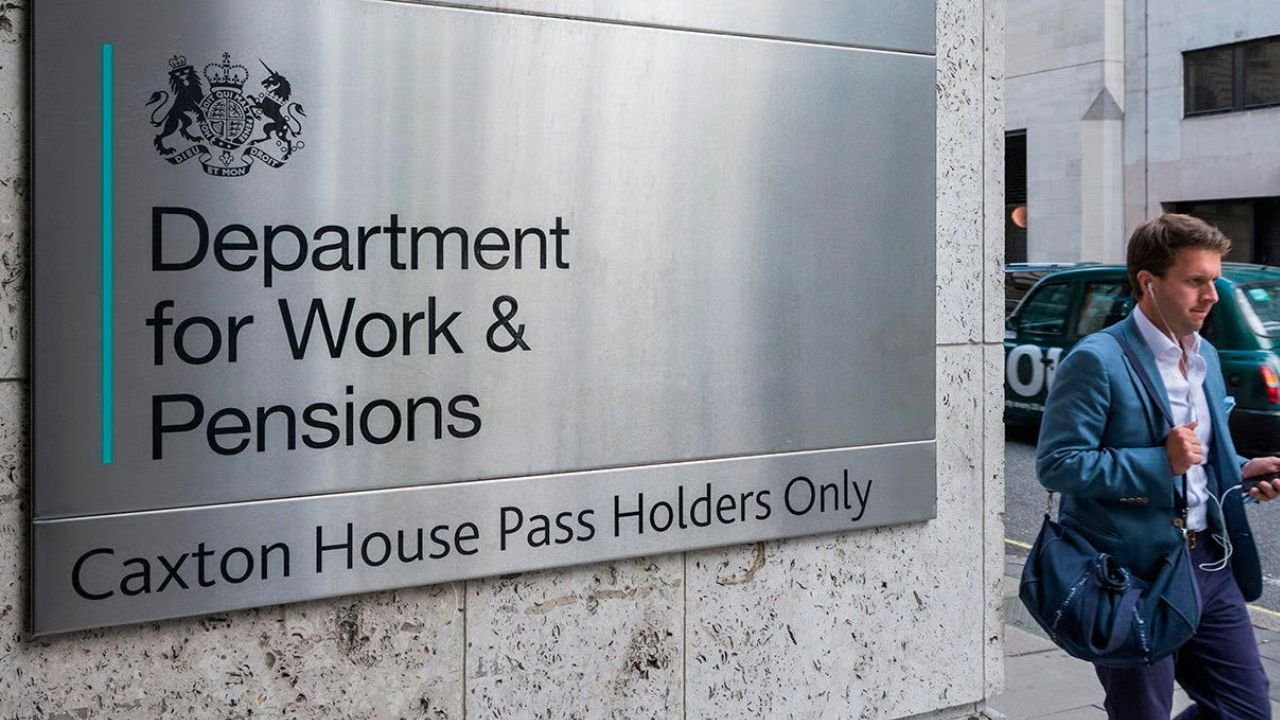
The Department for Work and Pensions has confirmed the logistics for the $562 State Pension payment totals as we move into the March 2026 fiscal transition. For older pensioners managing fixed budgets, the arrival of these four weekly disbursements provides a critical baseline for household accounting. While the $562 figure has generated significant discussion, it is essential to distinguish between a one off windfall and the structured cycle of the New State Pension. This specific amount represents the cumulative total for eligible claimants within a standard 28 day window, reflecting the updated 2026 benefit rates.
Mechanics of the four weekly payment cycle
In March 2026, the Department for Work and Pensions continues to utilize the staggered four weekly payment system based on the final digits of a claimant’s National Insurance number. The $562 total is the result of grouping individual weekly entitlements into a single bank transfer. For retirees who have reached the full qualifying criteria, this sum arrives on a set weekday every month. Because the calendar month and the four week cycle do not align perfectly, some pensioners may find their payment dates shifting slightly, making the confirmation of the $562 aggregate particularly relevant for spring budgeting.
National Insurance benchmarks for maximum entitlement

Achieving a $562 payment total requires a specific contribution profile. As of early 2026, the eligibility for the full rate is strictly tethered to the 35 year National Insurance record.
| Contribution Status | Weekly Rate | Four Weekly Total ($562 Baseline) |
| Full 35 Year Record | $140.50 | $562 |
| 30 Year Record | $120.40 | $481.60 |
| 25 Year Record | $100.35 | $401.40 |
| 10 Year Minimum | $40.15 | $160.60 |
Impact of the 2026 fiscal uprating
The $562 figure is a direct product of the 2026 uprating assessment, which adjusted pension levels to account for the preceding year’s economic shifts. Under the current legislative framework, these payments are protected against the erosive effects of inflation. For older pensioners, this means the $562 reflects a stabilized purchasing power designed to cover essential costs like utilities and groceries, which have seen specific price volatility in early 2026. This confirmation ensures that the foundation of retirement income remains predictable despite broader market fluctuations.
Deductions and contracted out adjustments
Not every individual with a long work history will see exactly $562 in their account. A significant technical detail involves the “contracted out” periods common in many older professional histories. If a pensioner was part of a workplace scheme that opted out of the additional State Pension in previous decades, the DWP applies an adjustment to the state payment. Furthermore, any outstanding tax liabilities or overpayment recoveries managed by HM Revenue and Customs can lead to a net payment that differs from the $562 gross total, necessitating a careful review of the annual uprating letter.
To ensure you are receiving the correct $562 amount, the most effective action in March 2026 is to verify your “Check your State Pension” digital forecast. This tool provides a breakdown of your qualifying years and highlights any gaps that could be filled via voluntary contributions before the end of the tax year. For those currently receiving less than the $562 total, checking eligibility for Pension Credit is vital, as this can top up the four weekly income to a guaranteed minimum level, often exceeding the standard pension rate.
Key Takeaways
- The $562 amount is a regular four weekly payment total rather than a one off bonus.
- Eligibility is primarily determined by a 35 year National Insurance contribution record.
- Payments are disbursed on a fixed 28 day cycle based on National Insurance numbers.
- Contracted out adjustments or tax codes may result in a different net amount hitting your bank account.